

Bell Textron Inc., a subsidiary of Textron Inc. (NYSE: TXT), has announced the delivery of the 2,000th Bell 407 helicopter, marking a major achievement in the aircraft’s nearly three-decade history and reinforcing its position as one of the company’s established platforms in the global light helicopter market.
The milestone highlights the enduring appeal of the Bell 407 helicopter, a versatile, single-engine aircraft designed to support a broad spectrum of missions, including commercial transportation, public safety, emergency medical services, utility operations, corporate travel, and specialized aviation assignments.
Since entering service in the 1990s, the Bell 407 has built a reputation among operators worldwide for its combination of dependable performance, operational flexibility, passenger comfort, and visibility. Its adaptability across different operating environments has contributed to sustained demand from customers requiring a helicopter capable of handling diverse and often demanding missions.
The delivery also represents a significant accomplishment for Bell’s manufacturing and engineering teams, particularly the workforce at its commercial center of excellence in Mirabel, Quebec, Canada, which plays a central role in producing and delivering Bell 407 helicopters to international customers.
Bell Celebrates 2,000 Bell 407 Helicopter Deliveries
Reaching 2,000 deliveries marks an important chapter in the evolution of the Bell 407, reflecting the aircraft’s continued relevance in an aviation market where reliability, mission versatility, and technological advancement remain critical considerations for operators.
Over nearly three decades, the helicopter has served customers across multiple industries, from commercial aviation and business transportation to operations supporting essential public services.
The aircraft’s ability to perform a wide variety of missions has been a defining feature of its market presence, allowing operators to deploy the platform in environments with different operational requirements.
According to Bell, the achievement reflects not only the aircraft’s production history but also the confidence that customers around the world have maintained in the platform over successive generations.
Danny Maldonado, President and CEO of Bell, described the delivery as an important accomplishment for the company and its international operator community.
“The delivery of the 2000th Bell 407 is a tremendous milestone for Bell and for the global community of operators who have placed their confidence in this platform,” Maldonado said.
“This achievement reflects the dedication and expertise of the teams who collectively work together to engineer and build this platform, as well as the customers that use this aircraft to perform everyday missions.”
His comments underscore the importance of collaboration between aircraft manufacturers, engineering specialists, production teams, and customers in maintaining the operational success of a helicopter platform over an extended period.
Nearly Three Decades of Performance and Innovation
The Bell 407 helicopter entered service during the 1990s, beginning a history characterized by technological improvements and applications across various aviation sectors.
As a light, single-engine, multi-mission helicopter, the aircraft was developed to offer operators a balance of performance, reliability, cabin comfort, and operational flexibility.
These characteristics have helped establish the Bell 407 as a practical option for organizations requiring an aircraft capable of adapting to different mission profiles.
Its cabin configuration supports a variety of operational needs, while its visibility and flight characteristics contribute to its suitability for activities ranging from passenger transportation to specialized assignments.
Throughout its service history, the Bell 407 has operated in diverse geographical conditions, demonstrating the importance of adaptability in both commercial and mission-critical aviation environments.
The aircraft’s continued evolution has also allowed Bell to incorporate new technologies without abandoning the core capabilities that established the platform’s reputation.
With 2,000 helicopters now delivered, the Bell 407’s production record illustrates the long-term market relevance of aircraft platforms that combine established performance with ongoing technological development.
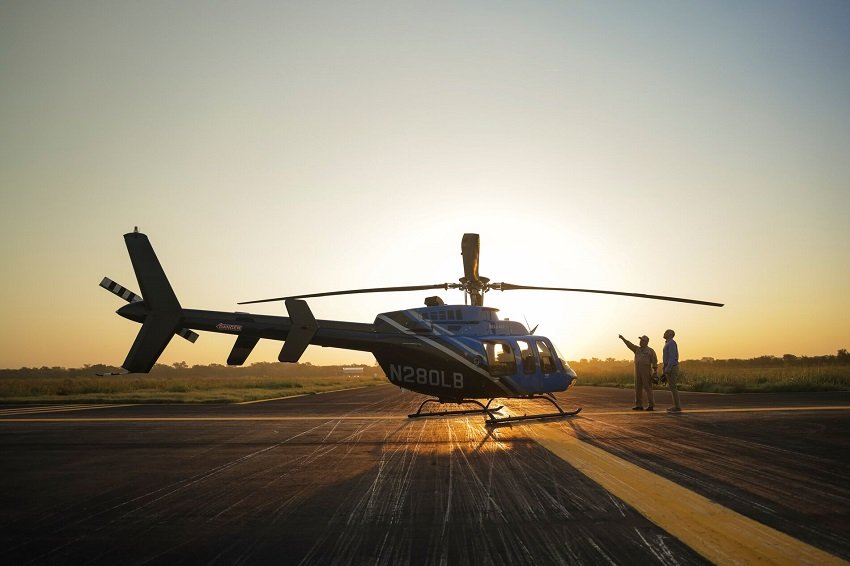
Bell 407 Supports Emergency Medical and Public Safety Operations
One of the defining characteristics of the Bell 407 is its ability to support different industries and operational requirements.
The helicopter has been used by operators involved in public safety, emergency medical services, utility work, corporate transportation, and specialized aviation missions.
In public safety operations, aircraft versatility and dependable performance are particularly important because missions can involve complex environments and demanding operational conditions.
Emergency medical service operators similarly require aircraft capable of supporting time-sensitive transportation and other essential aviation tasks.
The Bell 407’s operational characteristics have contributed to its adoption by customers whose activities demand consistent aircraft availability and flexibility.
Utility operators have also employed the platform for specialized assignments, while corporate customers have used it to meet business transportation requirements.
From critical missions across North America to operations in international markets, the aircraft has demonstrated its ability to serve organizations with a wide range of aviation needs.
The diversity of its customer base has played an important role in the Bell 407’s reputation and long-term commercial success.
Bell 407GX and GXP Paved the Way for Modernization
The development of the Bell 407 platform has included successive enhancements designed to address changing customer expectations and advances in aviation technology.
Earlier versions, including the Bell 407GX and Bell 407GXP, represented important stages in the helicopter’s technical evolution.
These variants formed part of Bell’s broader strategy of improving the platform while maintaining the performance and operational characteristics valued by its existing customers.
The development process ultimately led to the introduction of the Bell 407GXi in 2018, marking another major step in the aircraft family’s modernization.
The GXi brought enhanced integrated technology and additional operational capabilities to the established helicopter platform.
This approach enabled Bell to build on its experience with earlier models while incorporating modern avionics designed to support pilots and improve access to flight information.
The evolution from earlier Bell 407 configurations to the GXi reflects the company’s continued investment in updating a platform that has remained active across multiple market segments.
Bell 407GXi Introduced Advanced Garmin Avionics
The introduction of the Bell 407GXi in 2018 represented a significant technological advancement for the helicopter family.
One of its most important innovations was the integration of the Garmin G1000H NXi flight deck, a modern, all-glass avionics system designed to enhance the information available to pilots during flight operations.
The integrated flight deck provides improved situational awareness and navigation capabilities while helping reduce pilot workload.
By bringing essential flight information together within an advanced digital interface, the avionics system supports more effective monitoring and management of flight operations.
This advancement reflects the broader aviation industry’s movement toward integrated digital cockpit technologies, particularly in aircraft used for demanding commercial and specialized missions.
Combined with the Bell 407’s established flight performance, spacious cabin, and flexibility across operational roles, the new avionics strengthened the platform’s ability to meet evolving customer requirements.
The GXi also positioned the Bell 407 family for its next generation of service by bringing modern flight-deck technology to an aircraft with an extensive global operating history.
For operators, the combination of an established helicopter platform and updated avionics offers a balance between operational familiarity and technological advancement.
Operational Flexibility Remains a Key Strength
The Bell 407’s continued presence in international markets reflects the importance of aircraft capable of supporting multiple mission types without requiring entirely different platforms for every application.
Commercial operators may prioritize passenger comfort and dependable transportation, while utility and specialized mission providers often require operational adaptability.
Public safety and medical service organizations, meanwhile, place particular importance on reliability and the ability to undertake essential missions under demanding circumstances.
The Bell 407 has served these different customer groups through a combination of performance, cabin space, visibility, and flexibility.
Its evolution over successive versions has also demonstrated how an established helicopter design can remain relevant as cockpit technologies and operational expectations develop.
For Bell, maintaining this balance between established capabilities and technological improvements has been central to the platform’s continued development.
The 2,000-delivery milestone reinforces the significance of a helicopter that has supported both routine commercial operations and essential public-service missions over nearly three decades.
Mirabel Manufacturing Teams Play a Central Role
Bell’s commercial center of excellence in Mirabel, Quebec, has made an important contribution to the Bell 407 helicopter’s production history.
The facility’s teams support the manufacturing and delivery of the aircraft to customers operating in different regions around the world.
Bell recognized the expertise, dedication, and commitment of its Mirabel workforce as part of the achievement of the 2,000th delivery milestone.
Producing an aircraft platform over several decades requires sustained engineering expertise, manufacturing capabilities, and coordination across numerous specialized functions.
The Mirabel team has contributed to maintaining the Bell 407’s production continuity while supporting the integration of technological improvements introduced throughout the aircraft’s development.
The milestone therefore acknowledges both the helicopter’s operational legacy and the people responsible for producing and delivering it.
It also highlights the importance of Bell’s manufacturing operations in supporting international helicopter customers with aircraft designed for a broad range of missions.
Global Operators Drive the Bell 407’s Long-Term Success
Bell attributes a substantial part of the aircraft’s success to customers who have relied on the Bell 407 for essential services, commercial activities, and specialized missions.
Over the years, these operators have demonstrated the platform’s capabilities in different geographical regions and operational conditions.
Their continued use of the helicopter has reinforced its reputation as a dependable multi-mission aircraft.
The customer community has also helped establish the Bell 407 as a recognizable platform in global helicopter operations.
Across North America and other international markets, its applications illustrate the broad operational requirements that a versatile light helicopter can address.
This international operating history forms an important part of the platform’s legacy as Bell continues to develop improvements intended to support evolving market needs.
Bell 407 Looks Toward Its Next Generation of Service
With the delivery of its 2,000th aircraft, Bell is positioning the Bell 407 helicopter to continue serving customers through further technological improvements and ongoing product development.
The Bell 407GXi represents the latest major evolutionary step described in the company’s announcement, combining the aircraft family’s established characteristics with modern digital avionics.
Bell’s continued focus on technology and product enhancements is intended to maintain the platform’s suitability for the wide range of missions undertaken by its operators.
The milestone also demonstrates how a helicopter first introduced in the 1990s can remain commercially relevant through successive generations of engineering and technological innovation.
As demand continues for aircraft capable of supporting commercial transport, utility operations, emergency services, public safety, and specialized assignments, the Bell 407 remains an established part of Bell’s global helicopter portfolio.
The 2,000th delivery serves as both a recognition of the platform’s nearly three decades of service and a foundation for its continued development.
For Bell and its worldwide customers, the achievement reflects a long-standing relationship built around operational flexibility, aircraft performance, and continuous innovation.
Register to our mailing list to receive the latest news
Also follow us on the technology portal and its news in Egypt